
Arctic Roulette
In the High North, a handshake could redraw the map of war — and anything can happen.
Intermission’s Over
I came out of the gate in June guns blazing — a flurry of dispatches from Kyiv, Haiti, and beyond. Then I hit pause. Partly for a whirlwind trip to Australia (more on that later), partly for a low spell that slipped into the easy rut of procrastination. One missed week became two… then a month.
But I’m back. And if absence sharpens anything, it’s perspective.
Arctic Roulette
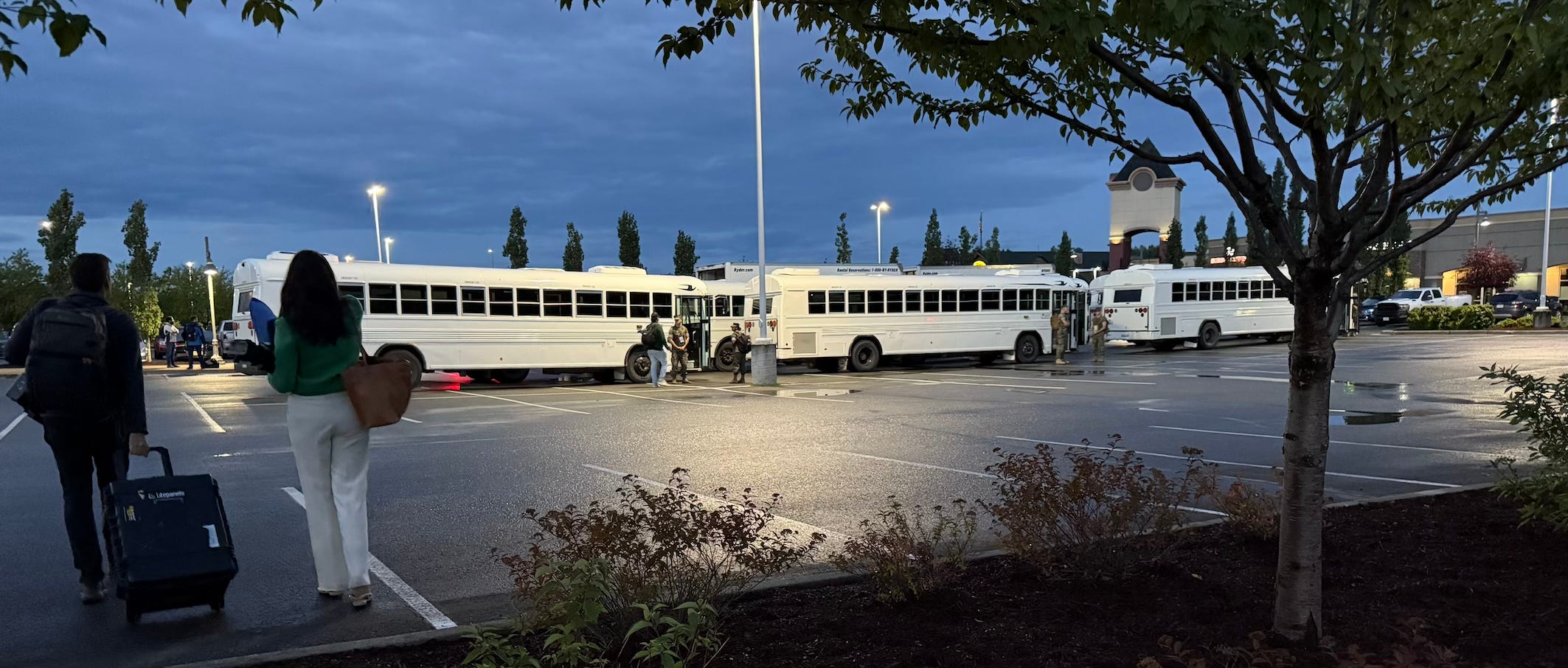
I arrived in Anchorage on Wednesday… where, in just a few hours, Air Force One and whatever sleek Kremlin jet Vladimir Putin favors will carve parallel paths through Arctic skies, converging for the highest-stakes face-to-face since this war began.
The official line: “peace talks.”
But a handshake here is more than protocol — it’s a signal that, for the first time in years, Russia’s leader is no longer an exile in the international order.
Earlier this week, European leaders huddled with Volodymyr Zelensky and set five immovable red lines for Donald Trump: no talks without a cease-fire, any map-drawing must start from the current front lines, Western security guarantees Moscow must accept, Ukraine at the table, and no deal without both Washington and Brussels signing off.
Moscow’s counter-offer — delivered August 8 via U.S. envoy Steve Witkoff — reads like a poisoned olive branch: Ukraine hands over the last quarter of Donetsk Oblast it still controls, home to 252,000 civilians and nearly 20,000 children, in exchange for a cease-fire.
It’s a 31-mile-deep fortress belt Russia hasn’t cracked in years. Giving it up could freeze the war just long enough for Moscow to rearm and lunge again — toward Kharkiv and Dnipro.
Meanwhile, at the front, Russian forces are fielding unjammable fiber-optic drones that sever Ukraine’s supply lines. And in the background, Arctic politics swirl — oil, gas, and new shipping lanes as bargaining chips.
Alaska’s symbolic weight collides with its strategic Arctic role — where military power, energy riches, and Ukraine’s future could all be in play.
Did some pre-summit reporting on this. Also check out our Arctic War episode of In the Shadows.
Anchorage is the stage. The script is unfinished. Anything can happen.
Moses’s Final Road
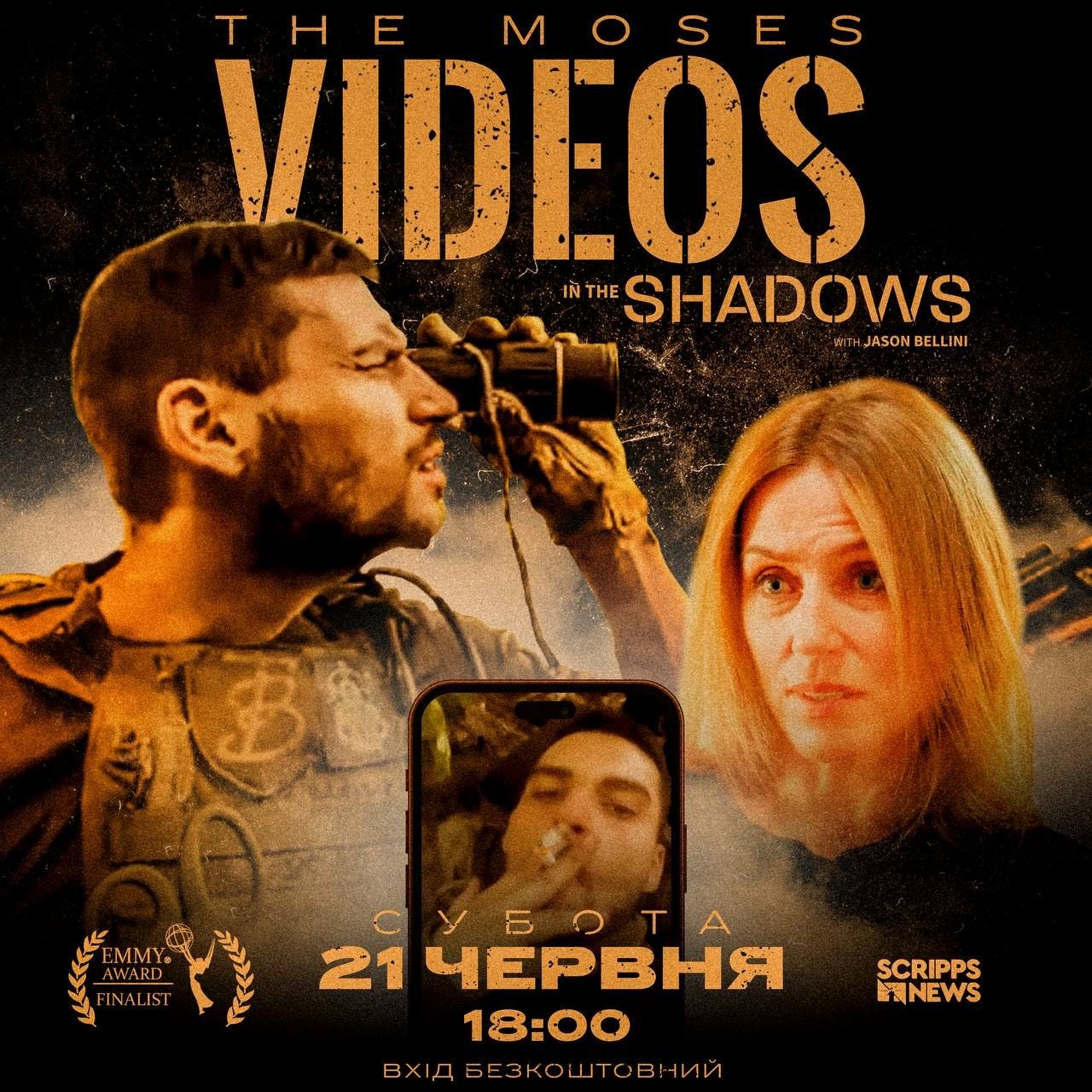
Last August, Ukraine lost a soldier known by his callsign “Moses.” This summer, in Kyiv, we honored him.
We screened in Kyiv our Emmy-nominated debut episode of In the Shadows — The Moses Videos — re-dubbed into Ukrainian. The film follows Victor Medyanyk’s final missions: guiding fresh troops to the trenches, hauling water where vehicles couldn’t go, and filming the war as only a soldier could.
Those recordings, passed to me by his friend and comrade Vadym Adamov during my tenth trip to Ukraine, were unlike anything I’d seen in three years of covering this war — unflinching, intimate, and alive with the urgency of someone who knew time was running out.
After the credits rolled, Vadym stood and gestured toward the audience: “Applause to Victor Medyanyk’s mother. Please stand up.” Olena rose, steady and unshaken.
“My boy believed very much that even one can change the course of events,” she told us. “And today, he proves it again.”
Olena now channels her grief into helping other parents who have lost children. She plans to bring The Moses Videos home to Poltava, to keep his story — and theirs — from being silenced.
“The worst thing is to be silent about your loved ones,” she said. “Our boys should have lived — like thousands of others who lost their lives on the front.”
In Ukraine, families like hers are not protesting the war. They are demanding that the world remember exactly who is paying its price.